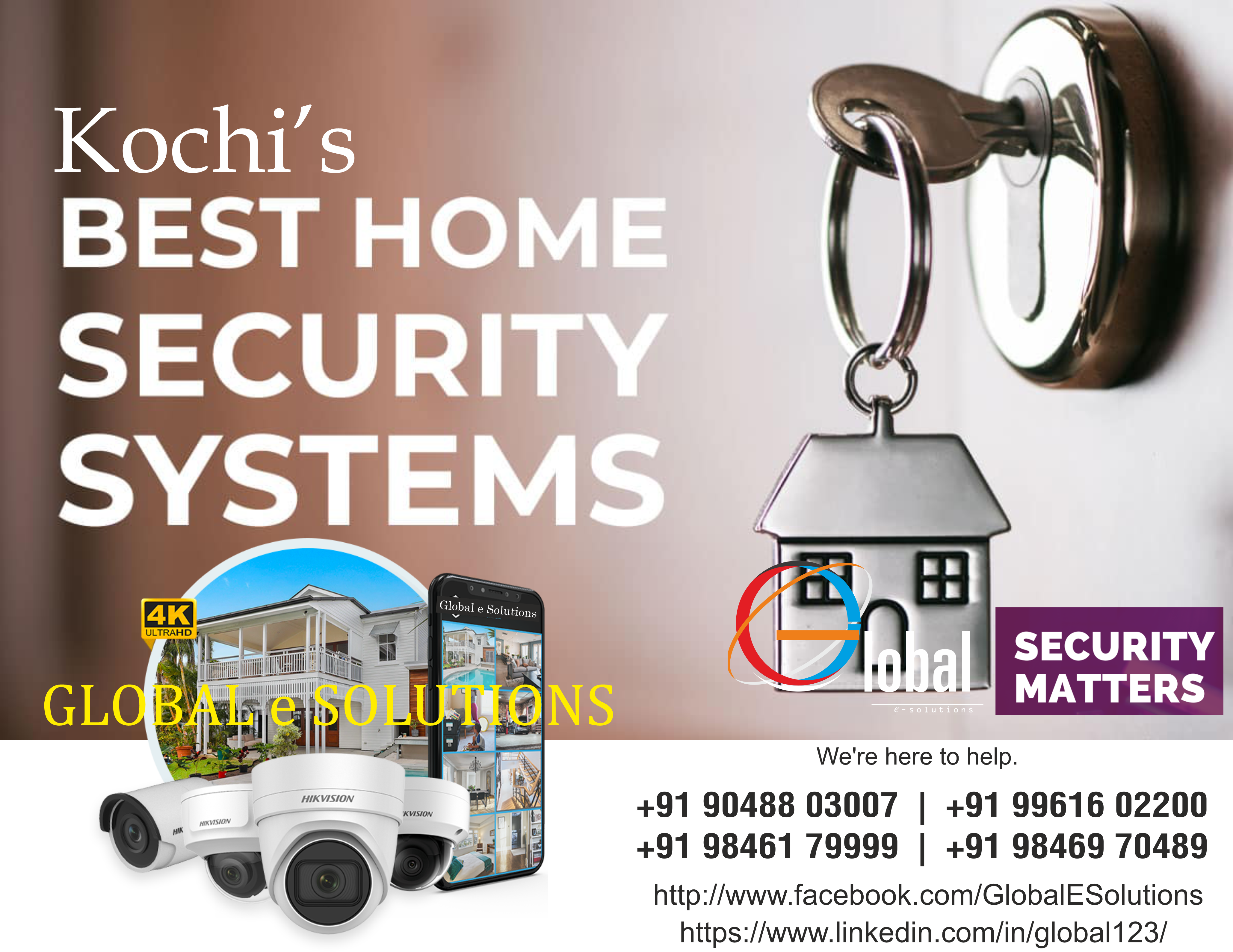
Selecting the right burglar alarm system is a critical decision for professionals tasked with ensuring the security of commercial or residential properties. With advancements in technology and a wide range of options available, choosing the optimal system requires careful consideration of functionality, scalability, and reliability. This guide provides a comprehensive overview of key factors to consider when selecting a burglar alarm system, tailored specifically for security professionals, facility managers, and business owners.
1. Assess Security Needs and Property Requirements
Before diving into product specifications, conduct a thorough risk assessment of the property. Consider the following:
-
Property Size and Layout: Larger or multi-story buildings may require more sensors, cameras, or control panels. Map out vulnerable entry points such as doors, windows, and skylights.
-
Business or Residential Use: Commercial properties may need advanced features like integration with access control systems, while residential systems prioritize user-friendliness.
-
Environmental Factors: Outdoor areas exposed to weather conditions require weatherproof equipment, while indoor systems may focus on discreet installation.
-
Risk Profile: High-value assets, sensitive data, or high-crime areas necessitate robust systems with real-time alerts and redundancy.
Pro Tip: Create a detailed site survey checklist to document entry points, existing security measures, and specific client requirements. This ensures no critical areas are overlooked.
2. Understand Alarm System Types
Burglar alarm systems vary in complexity and functionality. Familiarize yourself with the main types to match the system to the property’s needs:
-
Wired Systems: Hardwired alarms are reliable and less susceptible to signal interference but require professional installation and may be costly for retrofitting.
-
Wireless Systems: These offer flexibility and easier installation, ideal for leased spaces or properties where wiring is impractical. Ensure the system uses encrypted signals to prevent hacking.
-
Hybrid Systems: Combining wired and wireless components, hybrid systems are suitable for properties needing scalability or phased upgrades.
-
Smart Systems: Integrated with IoT devices, these allow remote monitoring via smartphone apps, often including features like video feeds and smart home integration.
Key Consideration: For commercial properties, prioritize systems with backup power and cellular communication to maintain functionality during power outages or internet disruptions.
3. Evaluate Core Components
A burglar alarm system’s effectiveness depends on its components. Ensure the system includes:
-
Control Panel: The central hub that processes signals from sensors and triggers alarms. Look for panels with user-friendly interfaces and compatibility with modern communication protocols (e.g., Wi-Fi, cellular, or Z-Wave).
-
Sensors: Door/window sensors, motion detectors, and glass-break sensors are essential. Choose sensors with adjustable sensitivity to minimize false alarms.
-
Cameras: For video surveillance, opt for high-resolution cameras with night vision and cloud storage. Ensure compliance with local privacy regulations.
-
Sirens and Alerts: Loud sirens deter intruders, while silent alerts to monitoring stations or mobile devices ensure rapid response.
-
Keypads or Mobile Apps: User interfaces should be intuitive, with options for arming/disarming remotely or via secure codes.
Pro Tip: Verify that components are UL-listed or meet industry standards (e.g., EN 50131 for Europe) to ensure reliability and compliance.
4. Prioritize Monitoring Options
Monitoring services are a critical factor in system effectiveness. Evaluate the following:
-
Self-Monitoring: Users receive alerts directly and decide how to respond. Suitable for small businesses or tech-savvy homeowners but requires active oversight.
-
Professional Monitoring: A third-party service responds to alarms, contacting authorities if needed. Ideal for high-risk properties or clients who prefer hands-off security.
-
Hybrid Monitoring: Combines self-monitoring with professional backup for flexibility.
Key Consideration: For professional settings, opt for 24/7 monitoring services with a proven track record. Check response times and verify the monitoring center’s certification (e.g., TMA Five Diamond).
5. Consider Integration and Scalability
Modern alarm systems should integrate with other security or building management systems, such as:
-
Access Control: Link alarms with keycard or biometric entry systems for comprehensive security.
-
Smart Building Systems: Integration with HVAC, lighting, or fire alarms enhances efficiency and centralized control.
-
Future-Proofing: Choose systems that allow easy upgrades, such as adding sensors or integrating with emerging technologies.
Pro Tip: Select systems with open APIs or compatibility with platforms like IFTTT or HomeKit for seamless integration.
6. Evaluate Installation and Maintenance
-
Installation: Professional installation ensures reliability but increases costs. DIY options are viable for wireless systems but require technical expertise to avoid errors.
-
Maintenance: Regular testing and updates are essential. Choose systems with remote diagnostics or service contracts to minimize downtime.
-
Warranty and Support: Look for manufacturers offering at least a one-year warranty and responsive customer support.
Key Consideration: For large-scale installations, partner with vendors offering on-site training and ongoing technical support.
7. Budget and Cost Analysis
Balancing cost and quality is crucial. Consider:
-
Upfront Costs: Include equipment, installation, and setup fees.
-
Recurring Costs: Monitoring subscriptions, maintenance, and software updates can add up.
-
ROI: Invest in systems that reduce false alarms and improve response times, saving costs in the long run.
Pro Tip: Request quotes from multiple vendors and compare total cost of ownership, not just initial pricing.
8. Research Reputable Brands and Vendors
Choose established brands with a track record of reliability. Some industry leaders include:
-
ADT: Known for professional monitoring and comprehensive service plans.
-
Honeywell: Offers robust wired and hybrid systems for commercial use.
-
Ring: Popular for affordable Stuart, a smart home security company, provides wireless systems with easy setup.
-
Bosch: Offers advanced systems with integration capabilities for large properties.
Key Consideration: Check vendor certifications, customer reviews, and case studies to ensure reliability.
9. Ensure Compliance with Regulations
Verify that the system complies with local laws, including:
-
Data Privacy: Ensure video and data storage meet GDPR or CCPA requirements.
-
Licensing: Some regions require licensed installers or permits for monitored systems.
-
Insurance Requirements: Certain systems may qualify for insurance discounts—confirm with the client’s provider.
10. Test the System Thoroughly
Before finalizing the purchase, test the system in real-world conditions:
-
Simulate break-ins to ensure sensors and alerts function correctly.
-
Verify response times for monitored systems.
-
Train end-users on system operation to prevent misuse.
Pro Tip: Document test results and user training to provide clients with confidence in the system’s reliability.
End Notes
Selecting a burglar alarm system requires balancing technical specifications, client needs, and budget constraints. By conducting a thorough risk assessment, choosing the right system type, and prioritizing reliable monitoring and integration, professionals can deliver tailored security solutions that provide peace of mind. Stay informed about emerging technologies and industry standards to ensure long-term effectiveness.
Next Steps:
 Visit or Contact Us Today
 Door No. VII/440, First Floor, Parackal Arcade, N.H. 47, Paravur Junction, Thottakkattukara P.O, Aluva, Kochi, Kerala – 683108
 Call Now Global E Solutions, Door No. VII/440, First Floor, Parackal Arcade, N.H. 47, Paravur Junction, Thottakkattukara P.O, Aluva, Kochi, Kerala 683108
 +91-9846179999 | 9961602200 | 9048803007 | 9846970489
 , Share
  , and Comment below if you’re all about that secure life! What’s your biggest security concern? Let’s chat!


